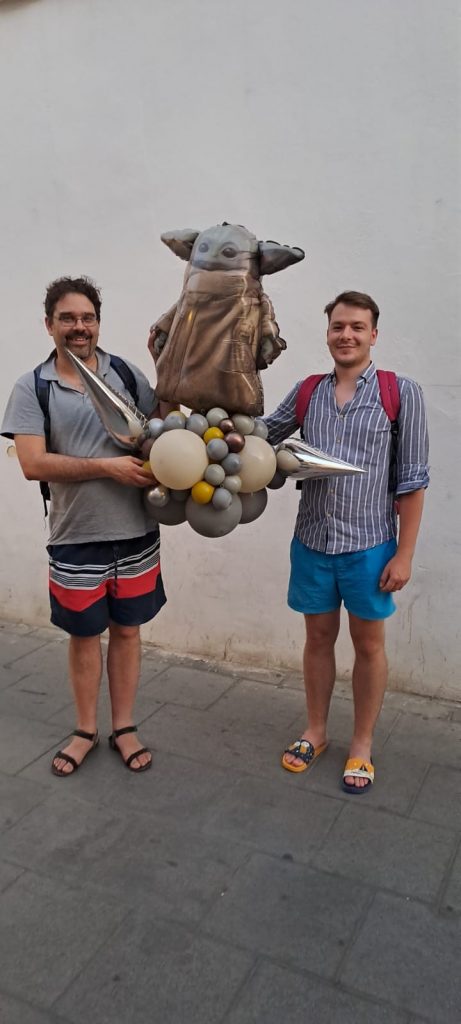
During the two-week TRILMAX research visit to the Institute of Molecular Science (ICMol) at the University of Valencia in Paterna, Dr. László Oroszlány and Dániel Pozsár from Eötvös Loránd University (ELTE) strengthened the collaboration between the theoretical and experimental teams involved in the project. The visit took place at the Laboratory of Crystalline Inorganic Solids led by Dr. Efrén Navarro Moratalla, Ramon y Cajal fellow and group leader, and was organized with the explicit aim of advancing the scientific and technical objectives of TRILMAX and consolidating the long-term partnership between the institutions.
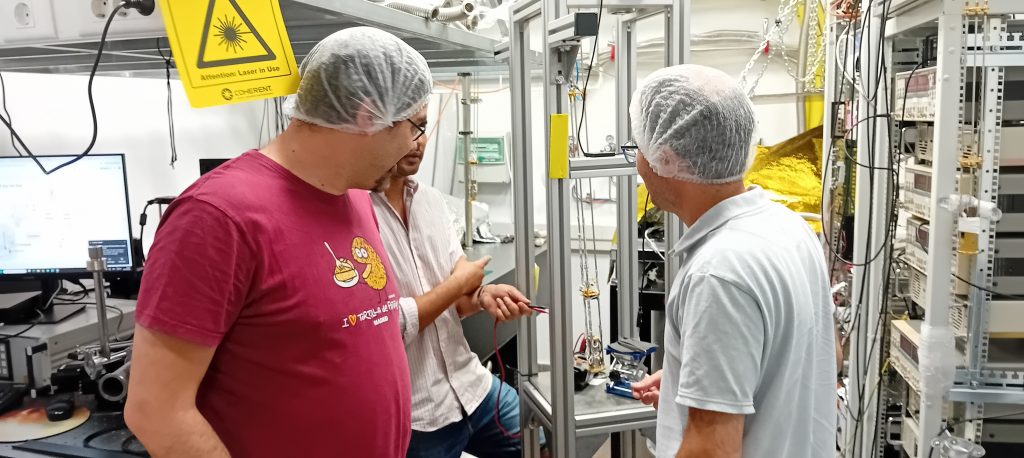
During the stay, Dániel Pozsár worked on the in-house theoretical code GROGU, focusing on its application to current TRILMAX-relevant problems in two-dimensional magnetic materials. Parallel to this, Dr. Navarro Moratalla’s experimental team presented their latest developments on the fabrication, characterization and measurement of FeGeTe, NiBr2 and CrI3 thin layers. Detailed discussions on sample quality, device geometries and measurement protocols helped to connect the computational capabilities of the ELTE group with the experimental know-how at ICMol, creating a clear pathway for theory–experiment feedback loops within the consortium.
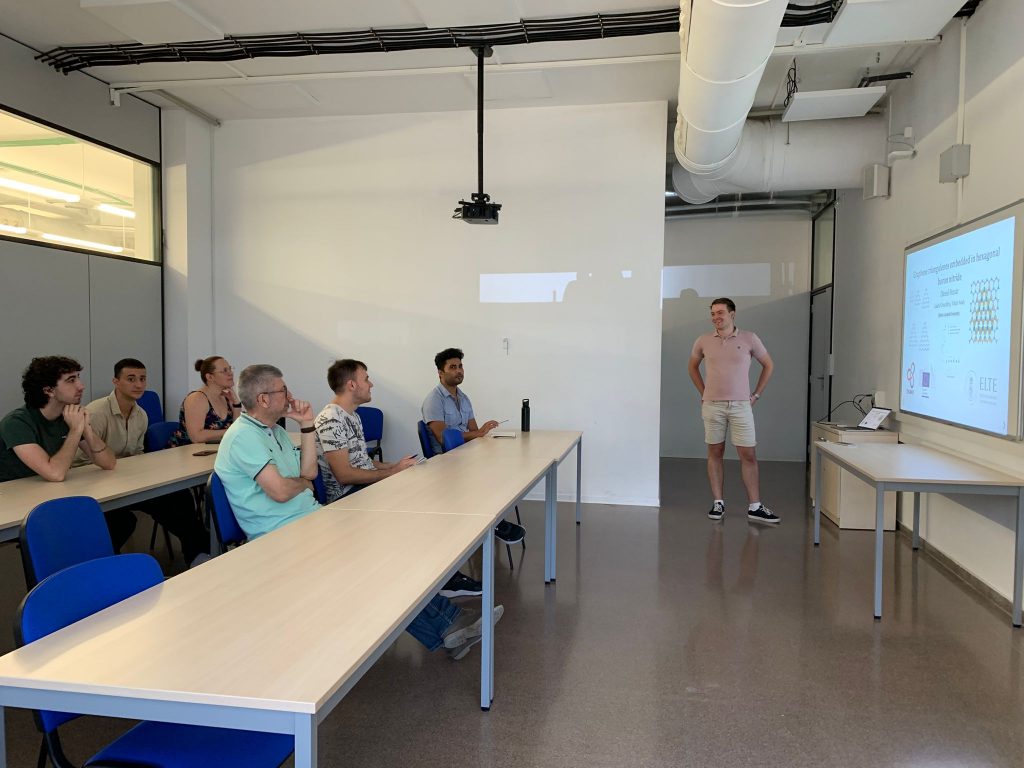
The visit also included guided laboratory tours, giving the ELTE visitors direct insight into the advanced growth, device fabrication and measurement infrastructure available at ICMol. Both Dr. Oroszlány and Dániel Pozsár delivered seminars at local research meetings, presenting recent theoretical results and ongoing work within TRILMAX. These talks stimulated discussions with students and researchers at ICMol, helped identify concrete avenues for joint publications and experimental campaigns, and contributed to aligning the research strategies of the partner groups.
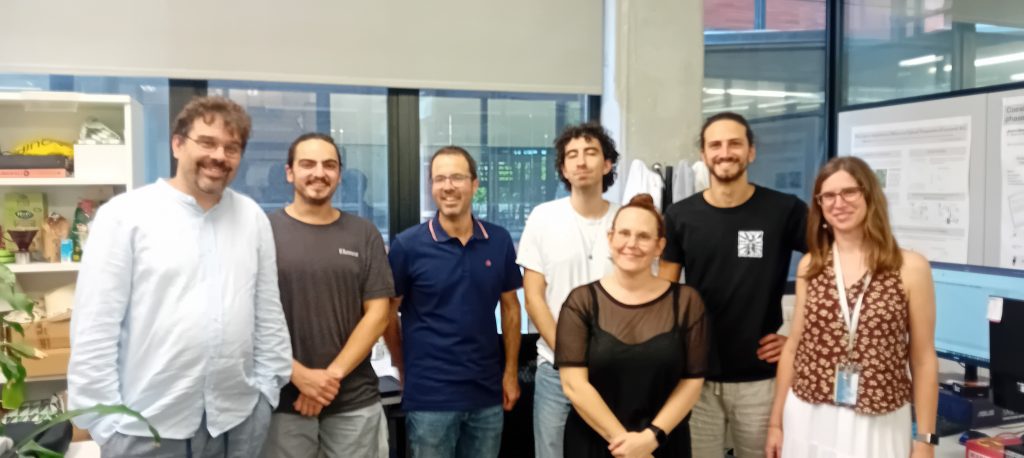
Overall, the research stay achieved its primary objectives of knowledge exchange, coordination of joint activities and the strengthening of international cooperation within TRILMAX. The combination of code development on GROGU, exposure to cutting-edge experimental progress on FeGeTe, NiBr2 and CrI3, and the active participation in the local scientific program has significantly deepened the integration of ELTE and ICMol within the consortium and laid the foundation for further collaborative work in the coming project phases.