
The Quantum Informatics National Laboratory Workshop 2025 was held at the Bosch Budapest Innovation Campus on June 13, 2025, bringing together leading Hungarian quantum informatics experts with support from the Hungarian Bosch Group. The workshop provided insights into the latest quantum informatics trends, domestic developments, and research achievements as the field approaches what experts call the “second quantum revolution.”
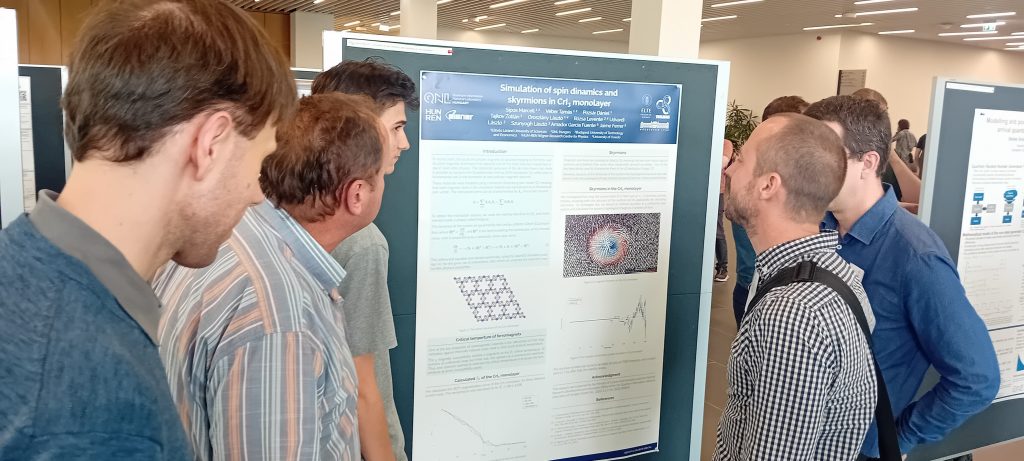
Eötvös Loránd University (ELTE) presented significant developments in establishing a quantum optics laboratory that enables experimental development of photon-based quantum computing components at the highest international technological standards. The ELTE team highlighted the critical need for new software solutions accompanying quantum computer development, with researchers currently working on software tools, interfaces, and quantum-resistant protocols to support quantum-based system programming and address emerging cybersecurity challenges.
The workshop showcased Hungary’s ambitious plans to develop a domestic quantum communication network that will connect to the pan-European quantum internet planned by the European Union within the next decade. This development positions Hungary at the international forefront of quantum communication technology, with applications ranging from enhanced encryption security to future interconnection of distant quantum computers.
Other key participants included the HUN-REN Wigner Research Centre for Physics, which is developing atomic-based quantum informatics laboratory infrastructure and working on quantum computer qualification methods for industrial applications. The Budapest University of Technology and Economics (BME) is developing new quantum bit solutions and atomic-scale memory units to provide hardware foundations for artificial intelligence computational requirements.
Dr. István Szászi from Bosch emphasized the company’s commitment to quantum sensor development, particularly in synthetic diamond-based quantum sensors with applications in medical technology, mobility, and consumer goods. The workshop demonstrated Hungary’s growing role in quantum informatics with approximately twenty internationally recognized research groups across domestic research institutes and universities working on quantum informatics topics.